E-book format of webpage
| Site: | Fab Lab Learn |
| Course: | Cradley Heath Living Lab |
| Book: | E-book format of webpage |
| Printed by: | Guest user |
| Date: | Friday, 17 April 2026, 6:24 AM |
1. Welcome

What is a "Living Lab"?
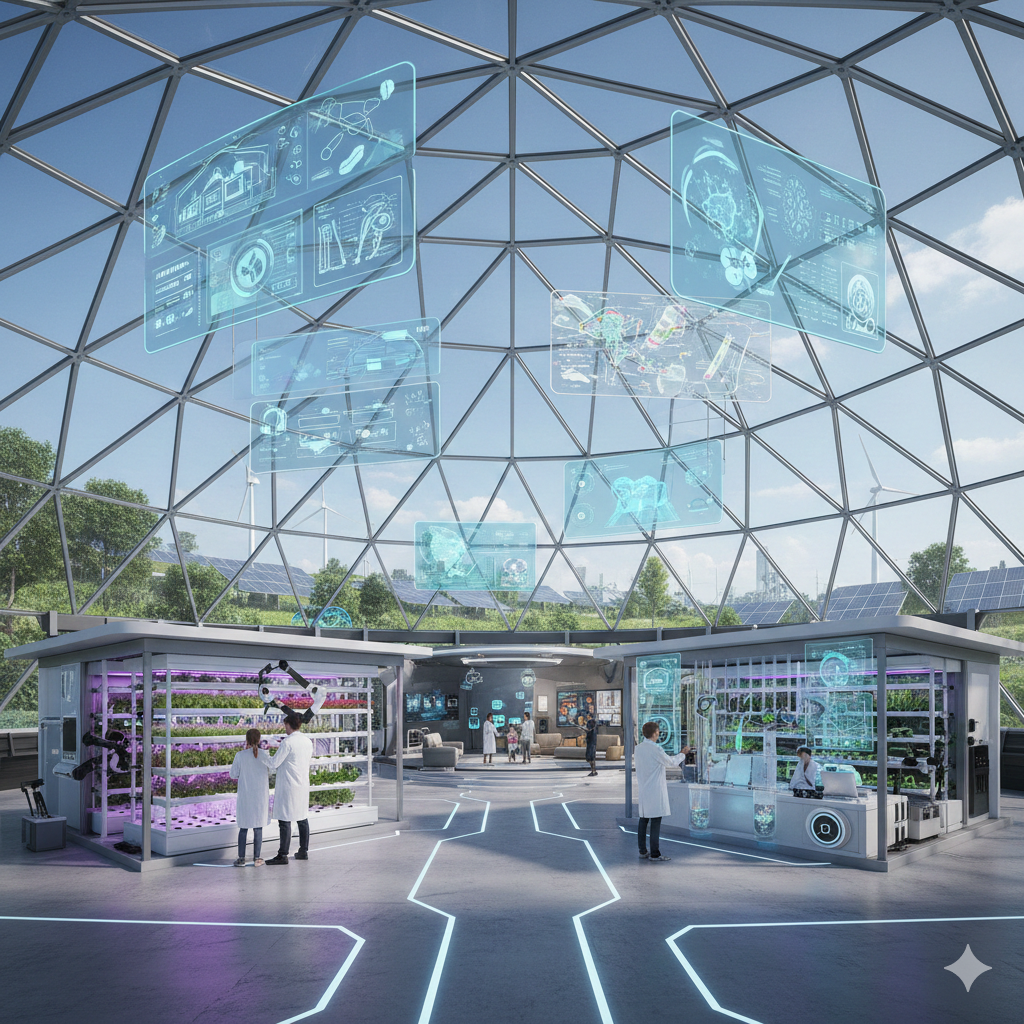
A Living Lab is a research and innovation concept that moves experimentation out of the traditional, closed laboratory and into real-world environments.
Instead of scientists testing a product in a vacuum, a Living Lab tests ideas in actual neighborhoods, homes, or workplaces with the people who will actually use them.
The 5 Core Characteristics
According to the European Network of Living Labs (ENoLL), a project must generally meet these five criteria to be considered a true Living Lab:
-
Real-Life Setting: Testing takes place in "wild" environments (like a city street or a education campus) rather than a controlled lab.
-
Co-Creation: Users aren't just "test subjects"; they are active partners who help design and suggest improvements to the solution.
-
Multi-Stakeholder: It involves the "Quadruple Helix"—government, industry, academia, and citizens—all working together.
-
Active User Involvement: Users provide continuous feedback throughout the entire development process, not just at the end.
-
Multi-Method Approach: Researchers use a variety of tools (interviews, data sensors, ethnography, and prototyping) to gather a complete picture of how the innovation works.
Why use them?
Living Labs are specifically designed to tackle "wicked problems"—complex issues like climate change, urban congestion, or healthcare for aging populations—where there is no single right answer and human behavior is a huge factor.
Common Examples
-
Urban Living Labs: A city might block off a street to cars and install smart sensors to see how residents change their walking habits or how local air quality improves.
-
Campus Living Labs: Universities often use their own buildings to test green energy technologies or waste-reduction programs, using students and staff as the primary "users."
-
Health Living Labs: Testing new "smart home" technologies in the actual apartments of elderly citizens to see if the tech actually helps them live more independently without being intrusive.
In short, a Living Lab is a way of saying: "Let's build this with the people it's for, in the place where they'll use it."
2. How Can the Living Lab Benefit You as an Employer?
In the care sector, the "Living Lab" model is a game-changer for employers because it solves one of the industry's biggest headaches: the gap between high-tech promises and the messy reality of daily care.
By turning a care home or home-care service into a Living Lab, employers gain several strategic advantages:
1. Better Staff Retention and Job Satisfaction
Care work is physically and emotionally demanding. Living Labs involve frontline staff in the design of their own tools.
-
Empowerment: Instead of having a new software or lift system forced on them, staff act as "co-creators." This increases their sense of professional agency.
-
Reduced Burnout: Innovations tested in Living Labs often focus on reducing administrative burdens or physical strain (e.g., ergonomic sensors or automated reporting), allowing staff to focus on the human side of care.
2. De-Risking Investments
New technology in the care sector is expensive and often fails because it doesn't fit the workflow.
-
"Fail Fast" and Cheaply: Employers can test a new falls-detection sensor in one wing of a building before buying it for the entire organization.
-
Evidence-Based Buying: Employers get real-world data on whether a product actually saves time or improves resident safety, rather than relying on a salesperson’s pitch.
3. Improved Quality of Care (and Ratings)
Regulators and families are increasingly looking for evidence of "innovation" and "person-centered care."
-
Continuous Improvement: A Living Lab creates a culture of constant feedback. Issues (like a resident's rising social isolation) are caught earlier because the "lab" environment encourages active monitoring and creative problem-solving.
-
Marketing Advantage: Being a "Living Lab" signals to families that their loved ones are in a cutting-edge environment that values resident and family input.
4. Direct Collaboration with Experts
Living Labs usually involve a partnership with a university or research institute.
-
Access to Talent: Employers get direct access to researchers & students, who can provide data analysis and fresh perspectives that a standard care business couldn't afford on its own.
-
Funding Opportunities: Many government grants for "Innovation in Ageing" require a real-world testing site. By being a Living Lab, an employer becomes a magnet for research funding.
Summary of Benefits for Employers
| Benefit Area | Impact |
|
Workforce |
Higher morale, lower turnover, and improved skills. |
|
Financial |
Avoids "white elephant" tech purchases; attracts research grants. |
|
Operations |
Streamlined workflows and reduced administrative "friction." |
|
Reputation |
Positioned as an industry leader and center of excellence. |
3. How Can the Living Lab Benefit You as a Employee?
While employers see the strategic and financial gains, the employees (nurses, care assistants, and support workers) experience the benefits of a Living Lab in their day-to-day work life. It shifts their role from being "passive users" of equipment to "active experts" of their environment.
Here is how a Living Lab specifically benefits care sector employees:
1. Reduced Physical and Mental Strain
Living Labs focus on co-designing technologies that solve actual pain points.
-
Ergonomic Support: Employees help test and refine assistive devices (like smart hoists or exoskeletons) that reduce the physical risk of back injuries.
-
Reduced "Tech Frustration": Because staff are involved in the design, the resulting software (for records or scheduling) is usually more intuitive, leading to fewer "computer says no" moments and less administrative burnout.
2. Decision-Making Power (Job Control)
One of the biggest causes of stress in care is a high workload combined with low "job control" (the ability to influence how you work).
-
Professional Agency: In a Living Lab, an employee’s expertise is treated as equal to a researcher’s. Being asked "How should this work?" instead of being told "Do it this way" significantly boosts morale.
-
Mastery and Skills: Staff gain "mastery" over new innovations early on, making them internal experts and leaders within their teams.
3. Increased Safety and Efficiency
-
Better Data, Better Care: Living Labs often implement real-time monitoring (e.g., smart sensors for fall detection). For a night-shift nurse, this means being alerted to an actual emergency immediately, rather than the anxiety of "checking in" and potentially missing a resident who has fallen.
-
More "Care Time": When technology is designed to handle repetitive tasks (like automated fluid-intake logging), employees can spend more time on the human aspect of the job—actually talking to and supporting residents.
4. Professional Development and Status
Working in a Living Lab elevates a care worker’s career profile.
-
Interdisciplinary Exposure: Employees get to work alongside engineers, data scientists, and academics, broadening their professional network and understanding of the sector.
-
CV Enhancement: Having experience in "Clinical Innovation" or "Co-Design Research" makes an employee more competitive for senior or specialized roles.
5. Improved Team Cohesion
The collaborative nature of a Living Lab breaks down silos.
-
Shared Purpose: Working on a specific innovation project together can improve the bond between different departments (e.g., catering, nursing, and maintenance).
-
Supportive Culture: Because Living Labs rely on honest feedback, they often foster a culture where staff feel safer speaking up about what isn't working without fear of blame.
Comparison: Traditional vs. Living Lab Work Life
|
Feature |
Traditional Care Work |
Living Lab Care Work |
|
Technology |
Imposed from above; often clunky. |
Co-created; fits the workflow. |
|
Feedback |
Top-down instructions. |
Constant, valued loop. |
|
Daily Stress |
High demand, low control. |
High demand, high support/control. |
|
Career Path |
Linear and repetitive. |
Dynamic; involves research and design. |
4. How Can the Living Lab Benefit You as a Learner?
5. Accessing Innovative Technology at the Cradley Heath Living Lab
-
Here at the Cradley Heath Campus we have a range of innovative technologies that can be made available to use with employers, employees and learners alike in the development of real life problem solving, skill and knowledge acquisition.
Virtual Reality Head Sets
For several years now, the college have worked in close partnership with EdTech companies such as Bodyswaps. Bodyswaps is a "soft skills" development suit of simulations which enable users users to engage with real life scenarios in a variety of different contexts. In our partnership work, we have specifically fed into the development of their health and care simulations.
Here is one example of how skill development was explored with a simulated service user experiencing mental health challenges:
An additional notable feature of the Bodyswaps software is their integration and application of Artificial Intelligence.
Here, bespoke scenarios can be created for users to engage with an "unscripted" avatar that has custom personality and behaviour traits. With this, users can not only engage with specific service user dynamics in a "safe" environment, but from the VR head set sensor input, they can receive feedback on their handling of the situation with metrics such as:
- Levels of eye contact
- Pace and tone of voice
- Words used
- Body language
These metrics can be recorded and collated in a pdf file format for post session analysis.
Here is a worked example of such a session where a tutor is using the AI simulation to engage with a bespoke avatar:
-
3D Printing and Assistive Technology
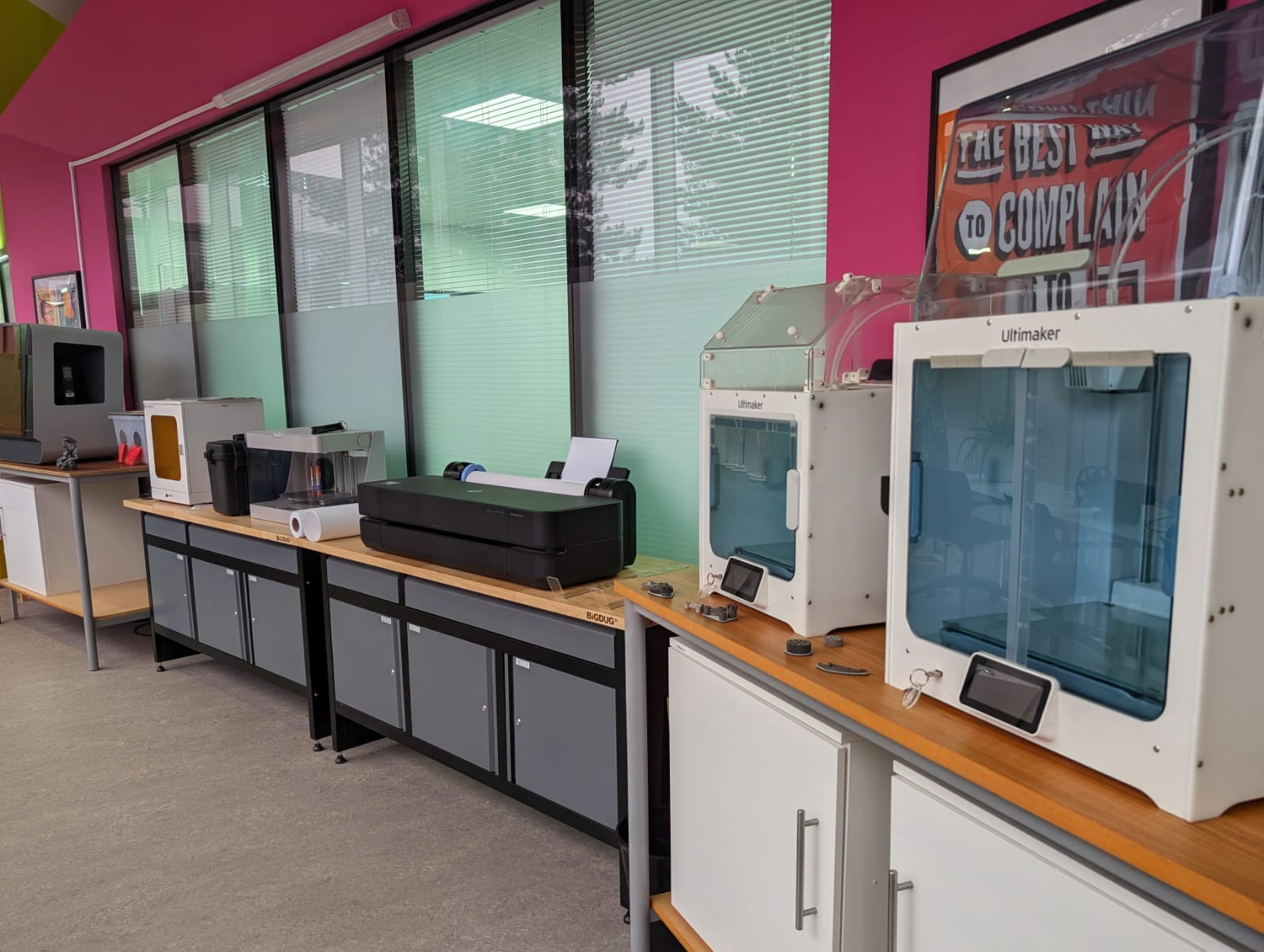
The Living Lab at Cradley Heath has a on site 3D printer where bespoke solutions to specific challenges can be talked out, designed and created.
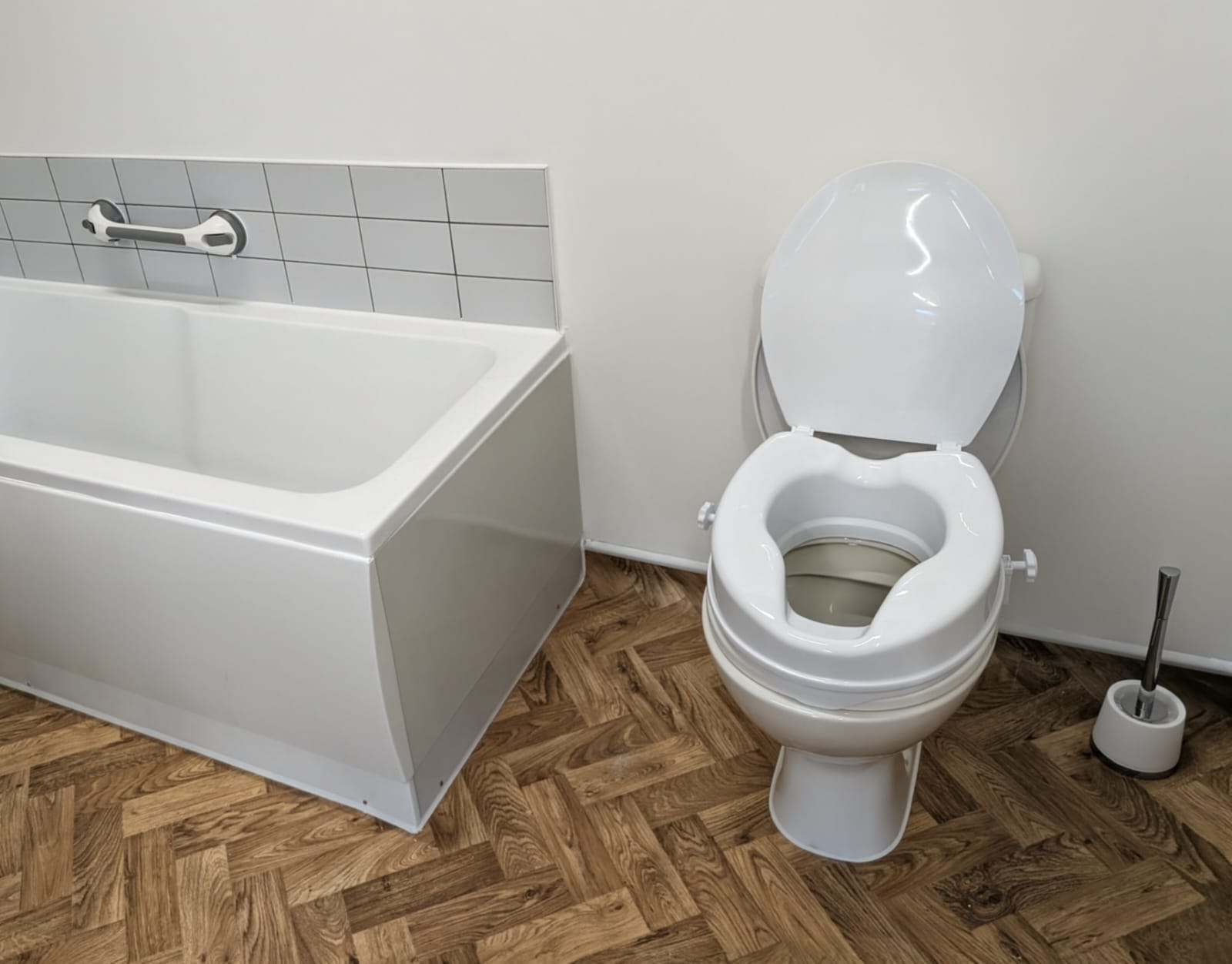
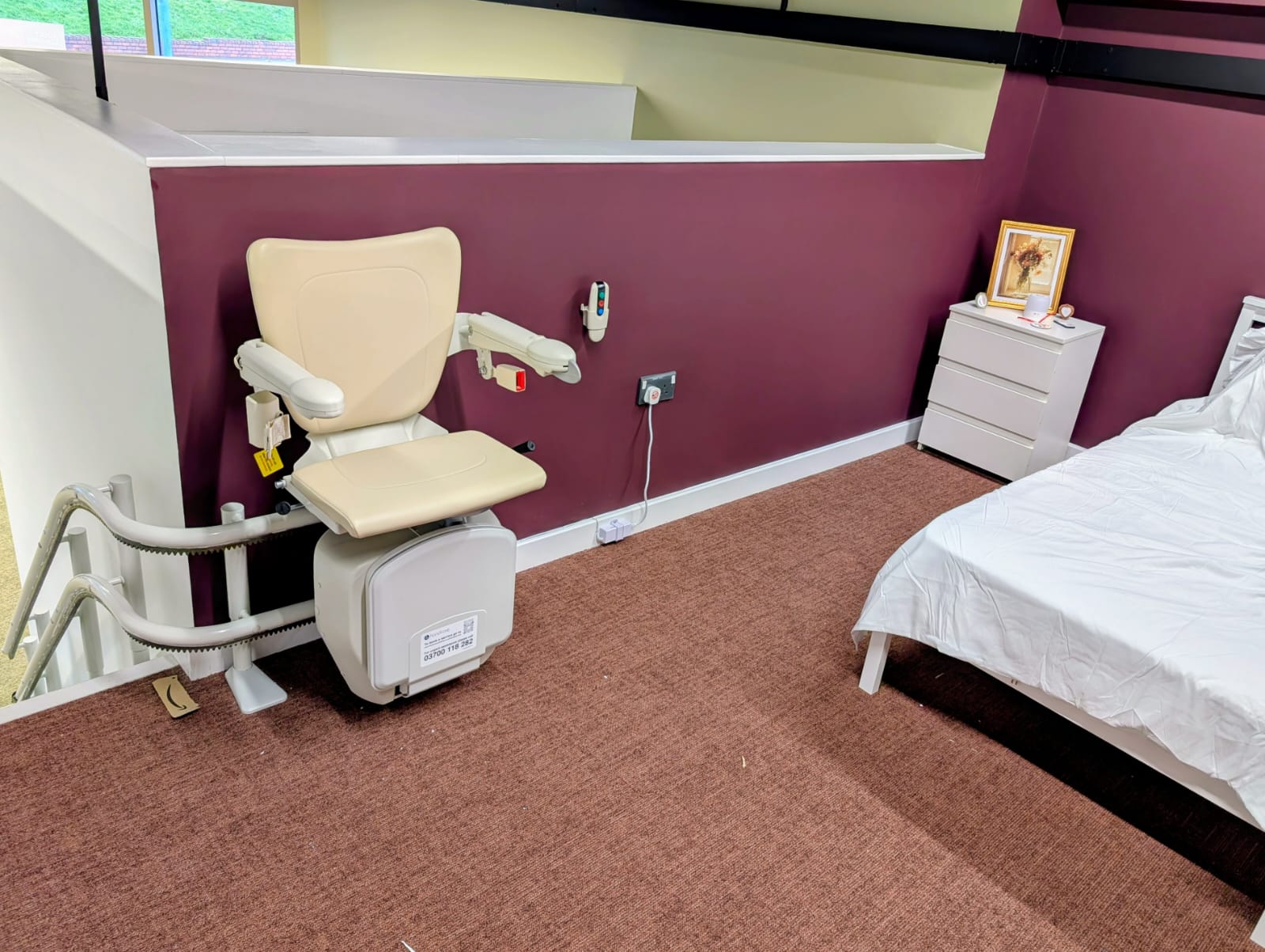
Additional to this we have an array of mechanical and non-mechanical assistive technologies that reflect how assistive technology can be used within real life settings.